Best Brokers With No Minimum Deposit 2026



Brokers with no minimum deposit make it easy to test forex, CFD and other markets without risking too much capital. We’ve pinpointed the top UK brokers with no minimum deposit, ideal for beginners getting started.
Top UK Brokers With Low Minimum Deposits
-


Established in Poland in 2002, XTB caters to over a million clients worldwide. This forex and CFD broker offers a robust regulatory framework, a diverse range of assets, and prioritises trader satisfaction. It provides an intuitive proprietary platform equipped with excellent tools to support aspiring traders.
Instruments Regulator Platforms CFDs on shares, Indices, ETFs, Raw Materials, Forex currencies, cryptocurrencies, Real shares, Real ETFs FCA, CySEC, KNF, DFSA, FSC xStation Min. Deposit Min. Trade Leverage $0 0.01 Lots 1:30 -
Trade Nation is a leading FX and CFD broker regulated in the UK and Australia, among other places. The company provides competitively priced fixed and variable spreads on over 1,000 assets. Traders benefit from advanced platforms and comprehensive training materials. Additionally, the Signal Centre offers valuable trade ideas.
Instruments Regulator Platforms Forex, CFDs, Indices, Shares, Commodities, Futures, Bonds, Spread Betting, Cryptos (Bahamas Entity Only) FCA, ASIC, FSCA, SCB, FSA TN Trader, MT4, TradingView Min. Deposit Min. Trade Leverage $0 0.1 Lots 1:500 (entity dependent) -
Spreadex, regulated by the FCA, provides spread betting across 10,000+ CFD instruments, including 60 forex pairs. Traders have the option to engage in short-term positions on sporting events as well. With a history exceeding 20 years, the company has earned numerous accolades.
Instruments Regulator Platforms Forex, CFDs, Indices, Commodities, Stocks, Crypto, Bonds, Interest Rates, ETFs, Options, Spread Betting FCA Spreadex Platform, TradingView, AutoChartist Min. Deposit Min. Trade Leverage £0 £0.01 1:30 -
Founded in 2007, Axi is a forex and CFD broker operating under multiple regulations. Over the years, it has enhanced the trading experience by broadening its stock offerings, upgrading the Axi Academy, and launching a proprietary copy trading app.
Instruments Regulator Platforms CFDs, Forex, Stocks, Indices, Commodities, Crypto FCA, ASIC, FMA, DFSA, SVGFSA Axi Copy Trading, MT4, AutoChartist Min. Deposit Min. Trade Leverage $0 0.01 Lots 1:30 -
Founded in 1989, CMC Markets is a reputable broker publicly listed on the London Stock Exchange. It holds authorisation from top-tier regulators such as the FCA, ASIC, and CIRO. The brokerage, which has received multiple awards, boasts a global membership exceeding one million traders.
Instruments Regulator Platforms CFDs, Forex, Stocks, Indices, Commodities, ETFs, Treasuries, Custom Indices, Spread Betting FCA, ASIC, MAS, CIRO, BaFin, FMA, DFSA Web, MT4, TradingView Min. Deposit Min. Trade Leverage $0 0.01 Lots 1:30 (Retail), 1:500 (Pro) -
Kraken is a top cryptocurrency exchange featuring a specialised trading platform and over 220 cryptocurrency tokens. Traders can access up to 1:5 leverage for spot trading with consistent rollover fees, and up to 1:50 for futures trading. The platform additionally offers crypto staking and hosts an engaging NFT marketplace.
Instruments Regulator Platforms Cryptos FCA, FinCEN, FINTRAC, AUSTRAC, FSA AlgoTrader, Quantower Min. Deposit Min. Trade Leverage $10 Variable -
Saxo Markets is a renowned trading brokerage, investment firm, and regulated bank. Featuring over 72,000 trading instruments, alongside investment products and managed portfolios, it provides abundant opportunities for clients. This reputable brand ensures transparent pricing and is protected by top-tier regulations from more than ten agencies, including FINMA, FCA, and ASIC.
Instruments Regulator Platforms Forex, CFDs, indices, shares, commodities, cryptocurrencies, futures, options, warrants, bonds, ETFs DFSA, MAS, FCA, SFC, FINMA, AMF, CONSOB SaxoTraderGO, SaxoTraderPRO, SaxoInvestor, TradingView, ProRealTime Min. Deposit Min. Trade Leverage $0 Vary by asset 1:30
 XTB
XTB Trade Nation
 Spreadex
 Axi
Axi CMC Markets
 Kraken
 Saxo
SaxoSafety Comparison
Compare how safe the Best Brokers With No Minimum Deposit 2026 are and what features they offer to protect traders.
| Broker | Trust Rating | FCA Regulated | Negative Balance Protection | Guaranteed Stop Loss | Segregated Accounts |
|---|---|---|---|---|---|
| XTB | ✔ | ✔ | ✔ | ✔ | |
| Trade Nation | ✔ | ✔ | ✔ | ✔ | |
| Spreadex | ✔ | ✔ | ✘ | ✔ | |
| Axi | ✔ | ✔ | ✘ | ✔ | |
| CMC Markets | ✔ | ✔ | ✔ | ✔ | |
| Kraken | ✔ | ✘ | ✘ | ✘ | |
| Saxo | ✔ | ✘ | ✘ | ✔ |
Payments Comparison
Compare which popular payment methods the Best Brokers With No Minimum Deposit 2026 support and whether they have trading accounts denominated in British Pounds (GBP).
| Broker | GBP Account | Debit Card | Credit Card | Neteller | Skrill | Apple Pay |
|---|---|---|---|---|---|---|
| XTB | ✔ | ✔ | ✔ | ✔ | ✔ | ✘ |
| Trade Nation | ✔ | ✔ | ✔ | ✘ | ✔ | ✘ |
| Spreadex | ✔ | ✔ | ✔ | ✘ | ✘ | ✘ |
| Axi | ✔ | ✔ | ✔ | ✔ | ✔ | ✘ |
| CMC Markets | ✔ | ✔ | ✔ | ✘ | ✘ | ✘ |
| Kraken | ✔ | ✘ | ✘ | ✘ | ✘ | ✘ |
| Saxo | ✔ | ✔ | ✘ | ✘ | ✘ | ✘ |
Mobile Trading Comparison
How good are the Best Brokers With No Minimum Deposit 2026 at mobile trading using apps or other mobile interfaces.
| Broker | Mobile Apps | iOS Rating | Android Rating | Smart Watch App |
|---|---|---|---|---|
| XTB | iOS & Android | ✔ | ||
| Trade Nation | iOS & Android | ✘ | ||
| Spreadex | iOS & Android | ✘ | ||
| Axi | iOS & Android | ✘ | ||
| CMC Markets | iOS & Android | ✘ | ||
| Kraken | ✔ | ✘ | ||
| Saxo | SaxoTraderGo (iOS, Android, Windows) | ✘ |
Beginners Comparison
Are the Best Brokers With No Minimum Deposit 2026 good for beginner traders, that might want an affordable setup to get started, along with good support and educational resources?
| Broker | Demo Account | Minimum Deposit | Minimum Trade | Support Rating | Education Rating |
|---|---|---|---|---|---|
| XTB | ✔ | $0 | 0.01 Lots | ||
| Trade Nation | ✔ | $0 | 0.1 Lots | ||
| Spreadex | ✘ | £0 | £0.01 | ||
| Axi | ✔ | $0 | 0.01 Lots | ||
| CMC Markets | ✔ | $0 | 0.01 Lots | ||
| Kraken | ✔ | $10 | Variable | ||
| Saxo | ✔ | $0 | Vary by asset |
Advanced Trading Comparison
Do the Best Brokers With No Minimum Deposit 2026 offer features that allow for more advanced trading strategies?
| Broker | Automated Trading | Pro Account | Leverage | VPS | AI | Low Latency | Extended Hours |
|---|---|---|---|---|---|---|---|
| XTB | - | ✔ | 1:30 | ✘ | ✘ | ✔ | ✘ |
| Trade Nation | Expert Advisors (EAs) on MetaTrader | ✘ | 1:500 (entity dependent) | ✘ | ✘ | ✘ | ✘ |
| Spreadex | ✘ | ✔ | 1:30 | ✘ | ✘ | ✔ | ✔ |
| Axi | Expert Advisors (EAs) on MetaTrader, Myfxbook | ✔ | 1:30 | ✔ | ✔ | ✔ | ✘ |
| CMC Markets | Expert Advisors (EAs) on MetaTrader | ✔ | 1:30 (Retail), 1:500 (Pro) | ✔ | ✘ | ✔ | ✔ |
| Kraken | Kraken Futures is integrated in other platforms which have bots: Bookmap, Caspian, FMZ Quant, Gunbot, HaasOnline, Hyndor, Margin | ✘ | - | ✘ | ✘ | ✘ | ✘ |
| Saxo | - | ✘ | 1:30 | ✘ | ✘ | ✘ | ✔ |
Detailed Rating Comparison
Use this heatmap to compare our detailed ratings for all of the Best Brokers With No Minimum Deposit 2026.
| Broker | Trust | Platforms | Mobile | Assets | Fees | Accounts | Support | Research | Education |
|---|---|---|---|---|---|---|---|---|---|
| XTB | |||||||||
| Trade Nation | |||||||||
| Spreadex | |||||||||
| Axi | |||||||||
| CMC Markets | |||||||||
| Kraken | |||||||||
| Saxo |
Our Take On XTB
"XTB excels for novice traders with its superb xStation platform, minimal trading costs, no required deposit, and outstanding educational resources, many of which are fully integrated into the platform." William Berg
Reviewer
Pros
- XTB offers a superb array of educational resources, such as training videos and articles, embedded within the platform to assist traders of all experience levels.
- XTB has raised interest rates on uninvested funds and introduced zero-fee ISAs (for ETFs and real shares, or 0.2% on trades over €100k) for UK clients, offering access to a wide array of markets.
- Top-notch customer support, available 24/5, includes a welcoming live chat with response times under two minutes during tests.
Cons
- Trading fees are competitive, with average EUR/USD spreads of about 1 pip. However, they are not as low as the most affordable brokers, such as IC Markets. Additionally, an inactivity fee applies after a year.
- XTB lacks a raw spread account, a feature increasingly offered by competitors such as Pepperstone. This omission might not satisfy traders seeking the most competitive spreads.
- It is frustrating that XTB products do not allow traders to modify the default leverage level. Manually adjusting leverage can greatly reduce risk in forex and CFD trading.
Our Take On Trade Nation
"Trade Nation is ideal for novice traders seeking diverse markets on an easy-to-use platform. It offers no minimum deposit, complimentary funding options, and robust educational resources." Tobias Robinson
Reviewer
Pros
- Beginners benefit from a modest initial deposit.
- Trade Nation, a highly regarded and well-regulated broker, was formerly known as Core Spreads.
- A variety of trading platforms and apps, such as MT4, make the brand suitable for experienced traders.
Cons
- Reduced legal safeguards with an offshore entity.
Our Take On Spreadex
"Spreadex attracts UK traders keen on spread betting in financial markets and traditional sports wagers. It offers low fees for short trades, and spread bet profits are tax-free. With a robust charting platform and no minimum deposit, it's easy to begin."Tobias Robinson
Reviewer
Pros
- Over 10,000 instruments and superior access to AIM small-caps are available, including exclusive offerings not found with larger brokers. This provides UK-centric traders with enhanced opportunities in niche small-cap configurations.
- From testing, the platform facilitates seamless active trading. Features like one-click trading, watchlists, and saved layouts functioned effectively, including Force Open. Constructing a tidy workspace and handling short-term trades proved straightforward.
- During live trials near London, Spreadex exhibited 120–200ms round-trip latency across over 50 FTSE and EUR/USD trades. There were no requotes, and slippage remained largely controlled under normal market conditions.
Cons
- Execution is satisfactory, though not top-tier. Tests showed 0.2–0.4 pip slippage in stable liquid markets, but news-induced volatility increased some fills to around 1 pip. Thinner AIM stocks often experienced 2–4 point slippage.
- Spreadex requires real funds initially, offering no demo accounts. Few spread betting brokers neglect to accommodate new traders in this manner.
- Spreadex lacks MT4, MT5, cTrader, API, VPS, and algorithmic trading support, making it ideal for active traders rather than those using automated or bespoke trading systems.
Our Take On Axi
"Axi excels for forex trading on MetaTrader 4 with over 70 currency pairs, MT4 NextGen features, and tight spreads starting at 0.2 pips on the Pro account."Tobias Robinson
Reviewer
Pros
- Experienced traders are invited to join the Axi Select funded trader programme via the broker's international branch. This scheme offers up to $1 million in capital with the benefit of a 90% profit share.
- Based on our tests, Axi's new trading app is highly intuitive. It offers practical filtering options to align strategies with individual risk preferences.
- Axi provides an excellent MT4 experience, enhanced by the NextGen plug-in for sophisticated order management and analytics, with low execution latency around 30ms.
Cons
- Although Axi delivers excellent performance, its support is not available 24/7. This unavailability can be inconvenient for traders operating in different time zones or requiring help beyond regular trading hours.
- Axi retains our confidence. However, recent issues with ASIC and FMA require it to maintain a secure environment and comply with licensing standards.
- Axi lags by solely providing MT4, while competitors have upgraded to MT5, cTrader, TradingView, and bespoke platforms, delivering a smoother user experience with enhanced tools.
Our Take On CMC Markets
"Equipped with advanced charts and a broad array of tradable CFDs, including an unmatched selection of currencies and bespoke indices, CMC Markets offers an excellent online platform for traders at any level."Tobias Robinson
Reviewer
Pros
- CMC provides competitive pricing with narrow spreads and low trading fees, except for stock CFDs. The Alpha and Price+ programmes offer additional benefits for active traders, including discounts on spreads of up to 40%.
- CMC Markets has introduced an AI News feature. This leverages AI to highlight and summarise market stories instead of executing trades, suggesting the future direction of broker research tools.
- We've upgraded the 'Assets & Markets' rating due to frequent product enhancements in early 2025. These include extended trading hours for US stocks and the introduction of new share CFDs.
Cons
- A monthly inactivity charge of $10 is imposed after a year's inactivity, potentially discouraging occasional traders.
- Although there have been improvements, the online platform still needs further refinement to match the user-friendly trading experience offered by competitors such as IG.
- CMC provides a robust range of assets; however, it does not support trading actual stocks, and UK clients are unable to trade cryptocurrencies.
Our Take On Kraken
"Kraken is ideal for traders seeking a wide range of cryptocurrencies, including Bitcoin, along with an excellent security reputation."William Berg
Reviewer
Pros
- 3D secure is necessary.
- Excellent trading platform and mobile app.
- An impressive selection of over 220 well-established cryptocurrencies.
Cons
- Minimal leverage in spot trading.
- Delayed verification for Pro accounts.
- Limited support for newer altcoins.
Our Take On Saxo
"Saxo suits active traders and high-volume investors, providing unmatched instrument variety, premium research, and fee rebates. With 190 currency pairs offering tight spreads, it excels for forex traders."Christian Harris
Reviewer
Pros
- Research tools excel with Autochartist integration. It offers filters by pattern type, asset class, and timeframes from 15 minutes to daily, with probability bands reaching over 70%, ensuring genuine utility.
- Saxo offers traders genuine multi-asset access through a single account. Our tests showed seamless trading in FX, CFDs, stocks, ETFs, futures, options, and bonds across over 70,000 instruments, all without needing to switch platforms.
- Execution was robust during live tests. Saxo's FX order statistics showed average fills at 9–10ms, with approximately 99.3–99.5% completing in under 50ms. This performance aligned with the rapid, precise fills observed on major FX and index CFDs.
Cons
- Our analysis shows classic account pricing is costly for traders. The EUR/USD pair typically incurs all-in spreads of 0.8–0.9 pips. Consequently, traders with smaller volumes will often face higher costs compared to leading ECN-style brokers.
- Withdrawals are dependable but sluggish. Saxo handled requests within 1-2 business days, but transfers typically reached our bank in 4-5 days due to correspondent banking and SHA fees.
- Saxo offers speed but is not ideal for ultra-tight scalping. Around 55-60% of EUR/USD orders experience zero slippage. However, about 20% encounter negative slippage, especially noticeable during news events and in higher-latency conditions of 300-400ms.
How Investing.co.uk Chose The Best Brokers For Low Minimum Deposits
To create this ranking, we began by recording the minimum deposit requirements for every broker we review.
These figures are tracked and updated regularly, as broker policies can change – Interactive Brokers, for example, has significantly reduced its minimum deposit over the years, now requiring a $0 minimum.
Brokers were then ranked starting with those offering no minimum deposit, followed by those with the lowest deposit thresholds.
This list was overlaid with our overall broker ratings, which are based on more than 200 individual data points collected across eight core categories, including fees, UK regulation, support, and more.
Our ratings are informed by direct, hands-on testing by our UK-based research team, made up of active traders and industry experts with years of market experience.
What Is A Minimum Deposit?
A minimum deposit is the smallest amount required to open a trading account. In the UK, growing competition—especially among discount brokers like XTB and Pepperstone—has led to lower or no minimum deposit requirements, making it easier for new traders to get started.
This is excellent news for UK investors, who can now trade forex, stocks, commodities, CFDs, and even crypto without needing thousands upfront.
Many of these brokers also offer small trade sizes, from just 0.01 lots, helping beginners manage risk while gaining real market experience.
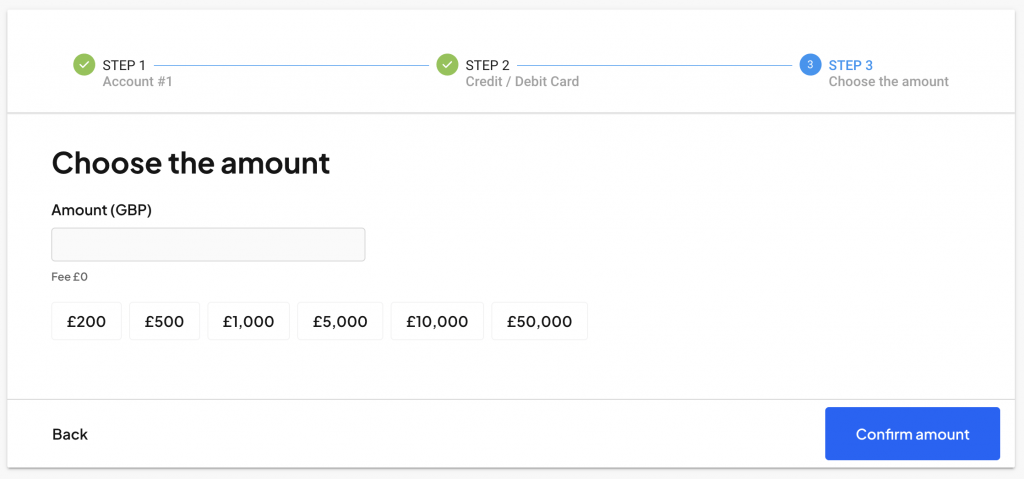
The deposit funds page at FCA-regulated Pepperstone
Pros Of Low Deposit Brokers
Trading with brokers that have no minimum deposit offers several key advantages, especially for new and budget-conscious UK investors:
- Affordable Entry Point: Brokers with low or no minimum deposit requirements are ideal for quick access to popular financial products without a large upfront investment. On a budget, you can begin trading markets like the FTSE 100, GBP/USD, or UK-listed stocks, and gradually build your capital over time.
- Access to a Range of Markets: Most low-deposit brokers we’ve tested offer exposure to various assets, including CFDs on UK and global stocks, major forex pairs like EUR/USD, cryptocurrencies, and commodities like gold and oil. This allows you to explore strategies and asset classes without committing significant funds.
- Great for Beginners: Low-deposit brokers offer a safer starting point if you’re new to trading. You can begin with small amounts and only risk what you’re comfortable losing, making learning the ropes easier and gaining experience without high financial pressure.
Starting out, I didn’t have much capital, so finding a broker with no minimum deposit let me practise in real markets without the pressure of risking a big sum. It was the perfect way to build confidence step by step.
Cons Of Low Deposit Brokers
Choosing a broker with no minimum deposit might seem like an easy win, but it’s also important to weigh the potential downsides:
- Risk of Scams and Unregulated Brokers: The promise of zero deposit, often combined with low fees and generous bonuses can be tempting, but we’ve witnessed fraudulent or substandard brokers using this tactic. You should always ensure your chosen platform is regulated by the Financial Conduct Authority (FCA). No deposit brokers like IG, CMC Markets and City Index are FCA-authorised and adhere to strict standards, offering greater peace of mind. It’s also wise to check for additional protections such as negative balance protection and FSCS protection.
- Hidden or Higher Fees: While skipping a minimum deposit sounds cost-effective, we’ve discovered some brokers compensate for it with alternative charges. These can include high spreads, withdrawal fees, inactivity penalties, or steep commissions. For example, a no-minimum broker might charge more per trade or apply monthly account fees, especially on less frequently traded UK assets like AIM-listed stocks or certain ETFs.
- Limited Tools and Features: Some no deposit brokers keep starting requirements low by offering a basic platform. This means fewer advanced features like integrated platform tools, real-time Level 2 data for UK equities, or smart order routing. While this may suit new traders, more experienced investors might find the lack of premium tools restrictive.
- False Sense of Security for Beginners: The low entry barrier sometimes encourages novice traders to jump in too quickly. New investors may underestimate the risks, lured by aggressive marketing or the comfort of low stakes, without fully understanding trading costs or strategy.
When I first started investing with a no-minimum deposit broker, I quickly realised that the low entry point came with higher spreads and fewer tools. This taught me to look beyond the sign-up offer and really investigate the platform’s features and fees.
What To Look For In A Low Deposit Broker
While selecting a broker with a low or zero minimum deposit can be appealing, it’s equally important to consider these five key factors that may affect your long-term trading success:
1. Trade Size
When selecting a broker with a low or no minimum deposit, it’s crucial to check the minimum trade size it offers. Investing large sums might not be feasible or practical for beginners, especially if you’re still learning the ropes.
Choosing a broker that allows for smaller lot sizes helps manage risk and will enable you to practice trading without exposing yourself to significant losses. Brokers that offer micro accounts (0.01 lots) are often the best choice for newcomers.
2. Training & Tools
Take time to explore what each broker offers beyond just the deposit requirements. Choosing a platform with strong educational resources and trading tools can make a big difference, especially in the early stages.
CMC Markets, a well-known FCA-regulated broker with a low entry threshold, provides valuable extras like a comprehensive trading glossary, market insights, and beginner-friendly tutorials. These resources can help new traders build confidence and improve decision-making.
Features like copy trading and professional-grade charting are worth considering for those interested in more advanced tools. Axi, for example, is a top-rated broker with no minimum deposit. It offers access to social trading platforms and robust technical analysis tools, ideal if you want to learn from others or refine your strategies.
3. Accessibility
Before signing up, ensure the broker accepts UK clients — whether you’re based in London, Birmingham, Edinburgh, or anywhere else in the country. Not all platforms operate in the UK, so it’s important to confirm they’re open to UK residents and ideally regulated by the FCA.
It’s also worth checking that the broker supports the markets you’re most interested in. For example, suppose your focus is on forex trading. In that case, several FCA-regulated brokers with low or no minimum deposits, such as CMC Markets, offer access to major currency pairs like GBP/USD.
On the other hand, if you’re aiming to invest in US tech stocks listed on the Nasdaq, platforms like eToro allow UK investors to trade these equities with a low minimum deposit and no commission.
4. Platform
Top brokers with no minimum deposit often provide access to high-quality trading platforms and mobile apps, making it easy to manage trades from virtually anywhere. If you want flexibility, most offer user-friendly apps compatible with iOS and Android mobile devices, ideal for monitoring positions on the move.
Meanwhile, if you want to take a more active or technical approach, you can use powerful desktop platforms like MT4, MT5, cTrader, and TradingView. These are widely supported by low deposit brokers such as Pepperstone and Axi and include features like advanced charting, custom indicators, and algorithmic trading tools.
5. Deposits & Withdrawals
If you prefer certain payment methods that are popular in the UK like PayPal, a debit card, or bank transfers, it’s important to check that your chosen broker supports them. Many brokers offer a range of deposit and withdrawal options, but not all accept every method or bank.
Leading UK brokers with low minimum deposits, such as XTB, typically support major payment providers and accept bank transfers from UK institutions like Barclays, Lloyds and NatWest.
It’s wise to review any daily withdrawal limits, processing times, and potential fees to avoid surprises when accessing your funds.
Bottom Line
Whether you’re looking to trade forex, invest in UK stocks, explore gold markets, or even try your hand at options trading, choosing a broker with no minimum deposit can be a smart way to begin, particularly for newcomers.
These platforms offer a low-risk market entry without requiring a significant upfront commitment.
That said, it’s essential to do your homework. Ensure the broker is FCA-regulated, review all the terms and conditions, and pay close attention to fees and trading conditions.
When chosen carefully, a low or no-minimum deposit broker can provide an accessible and secure starting point for UK retail investors.
See our list of recommended no deposit trading brokers to start trading today.
FAQ
Which Trading Broker Has The Lowest Deposit?
Some brokers allow UK investors to open an account with as little as £0, removing one of the most significant barriers to entry.
Trusted platforms such as ActivTrades and XTB offer no minimum deposit, making them attractive options for beginners or those looking to start small without compromising platform quality or regulatory oversight.
Can I Trust A Broker With A Low Minimum Deposit?
While many brokers with low or no minimum deposit requirements are reputable, UK investors should still prioritise platforms authorised and regulated by the FCA. This ensures your funds are protected and the broker operates under strict standards.
It’s also important to watch out for hidden fees and be especially cautious of suspicious ads or pop-ups promoting “no deposit” trading accounts on casino apps, gambling websites, or mobile games. These are often linked to unregulated or scam brokers. Always verify the broker’s credentials before signing up.